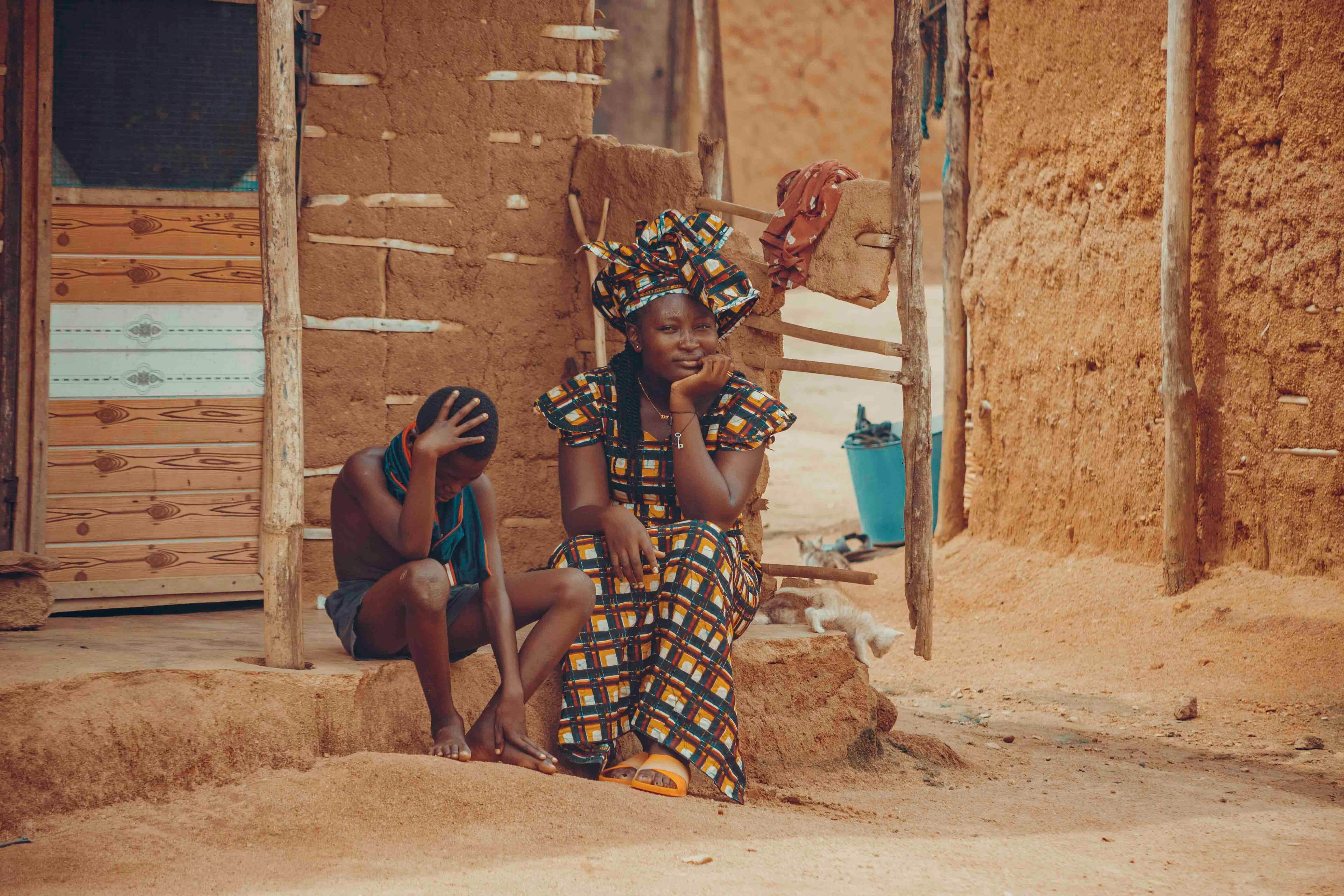
Vea · Upper East Region
Ghana
133 children are waiting for someone to believe in their future.
The Context
Ghana is two countries.
The south — Accra, Kumasi, the coast — is relatively prosperous. Modern. Connected. The north is a different world entirely.
Vea sits in Ghana's Upper East Region, pressed against the border with Burkina Faso. This divide isn't an accident. Colonial-era policies concentrated investment in the south and treated the north as a labor reserve. The legacy persists: the northern regions rank at the bottom of every national development indicator.
Three months to grow a year's food.
Unlike southern Ghana, where two growing seasons are possible, Vea gets one rainy season — July through September. When the rains fail, there is no second chance. Families here are subsistence farmers working plots smaller than two hectares with hand tools. The hoe and cutlass. No mechanization, no safety net.
The Water Crisis
9% of the district has water within walking distance.
9%
Bongo District
water access
98%
Greater Accra
water access
Even the groundwater is dangerous. Research has found that borehole water in the Bongo District has fluoride concentrations above WHO safety limits. An estimated 84,000 residents — including children — live with health conditions caused by fluoride contamination. Thirty-five boreholes have been shut down entirely.
During rainy season, the Vea Dam spillway floods, cutting off communities. Mothers and children cross by canoe — without life jackets. People have drowned.
Education
Completing secondary school here is a transformative achievement.
What C4C Has Built
Showing up since 2009.
C4C didn't arrive yesterday. This community has been home since 2009 — long enough to build trust, infrastructure, and real relationships. Clean-water wells. Community centers. A repaired school roof. Medical access expanded. And a founding pastor who adopted his own son from this village.
0
Partnered since
The longest-running C4C community
0
Clean water wells
In a district where 9% have water access
0
Community centers
For education and gatherings
0
Children waiting
For a sponsor like you
Red dust coats everything in the Harmattan months. Temperatures swing from 104°F at noon to 54°F at night. Baobab trees mark the savanna with massive trunks and sparse canopies. And along unpaved roads through this landscape, children walk to school.
These are the children of Vea.
Waiting for a sponsor
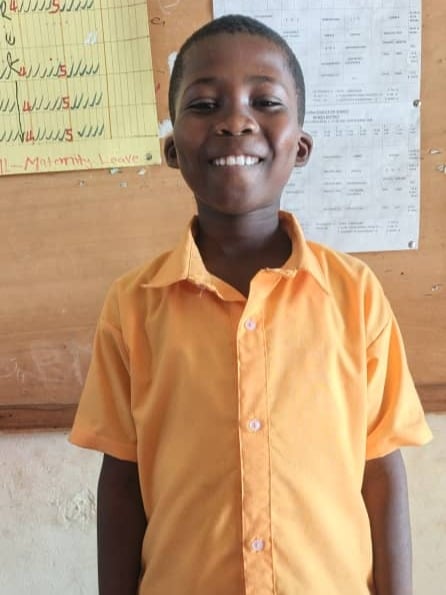
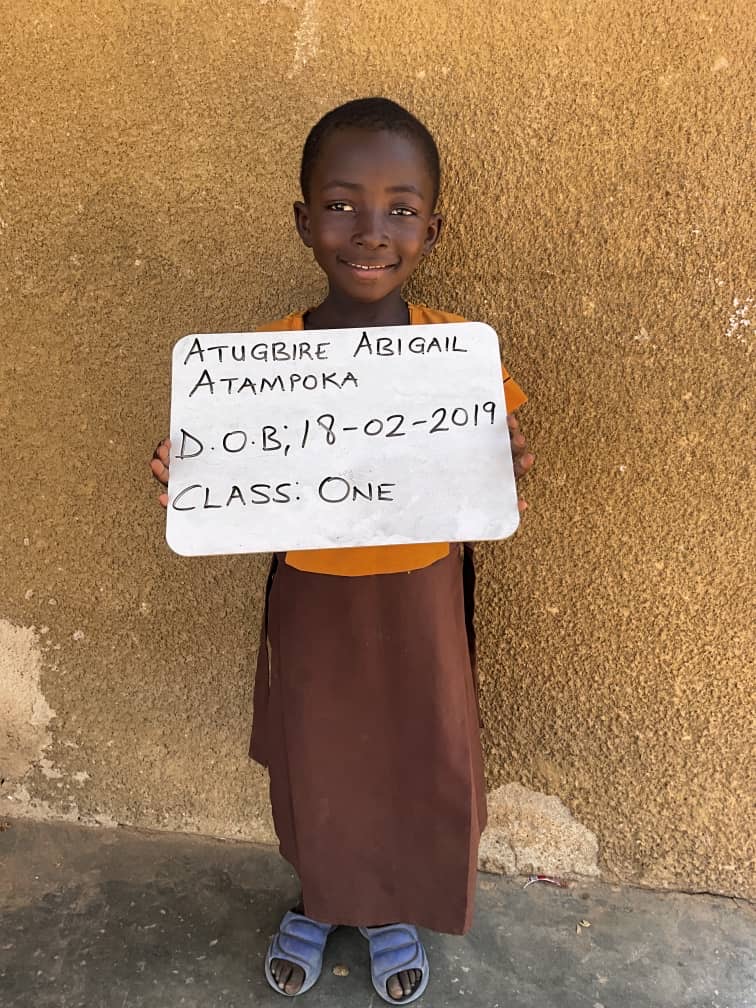
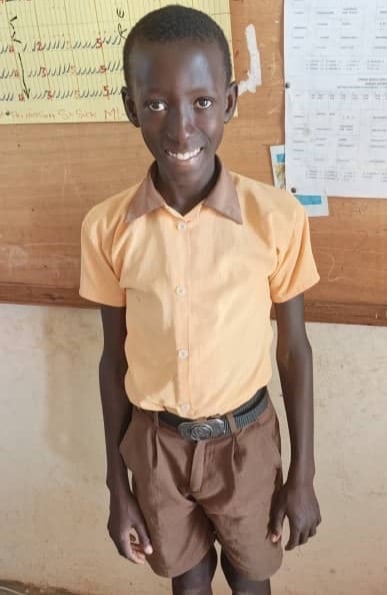
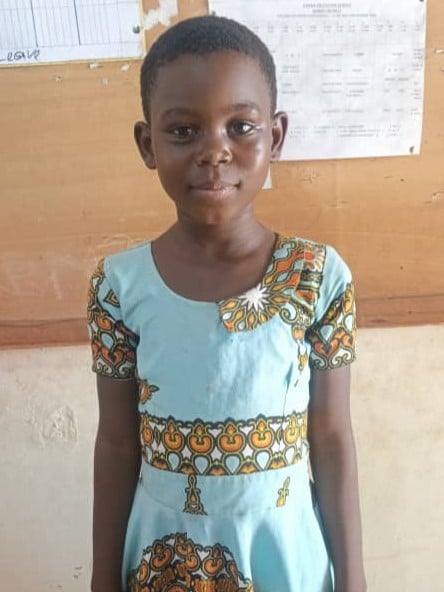
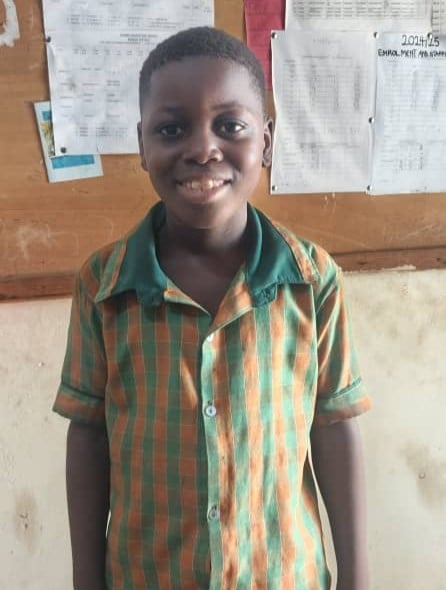
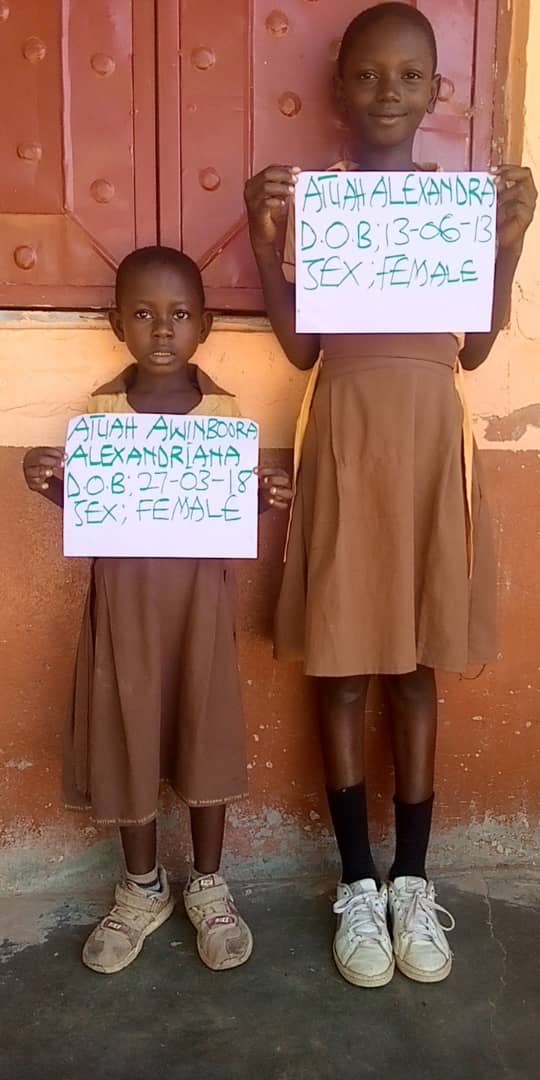
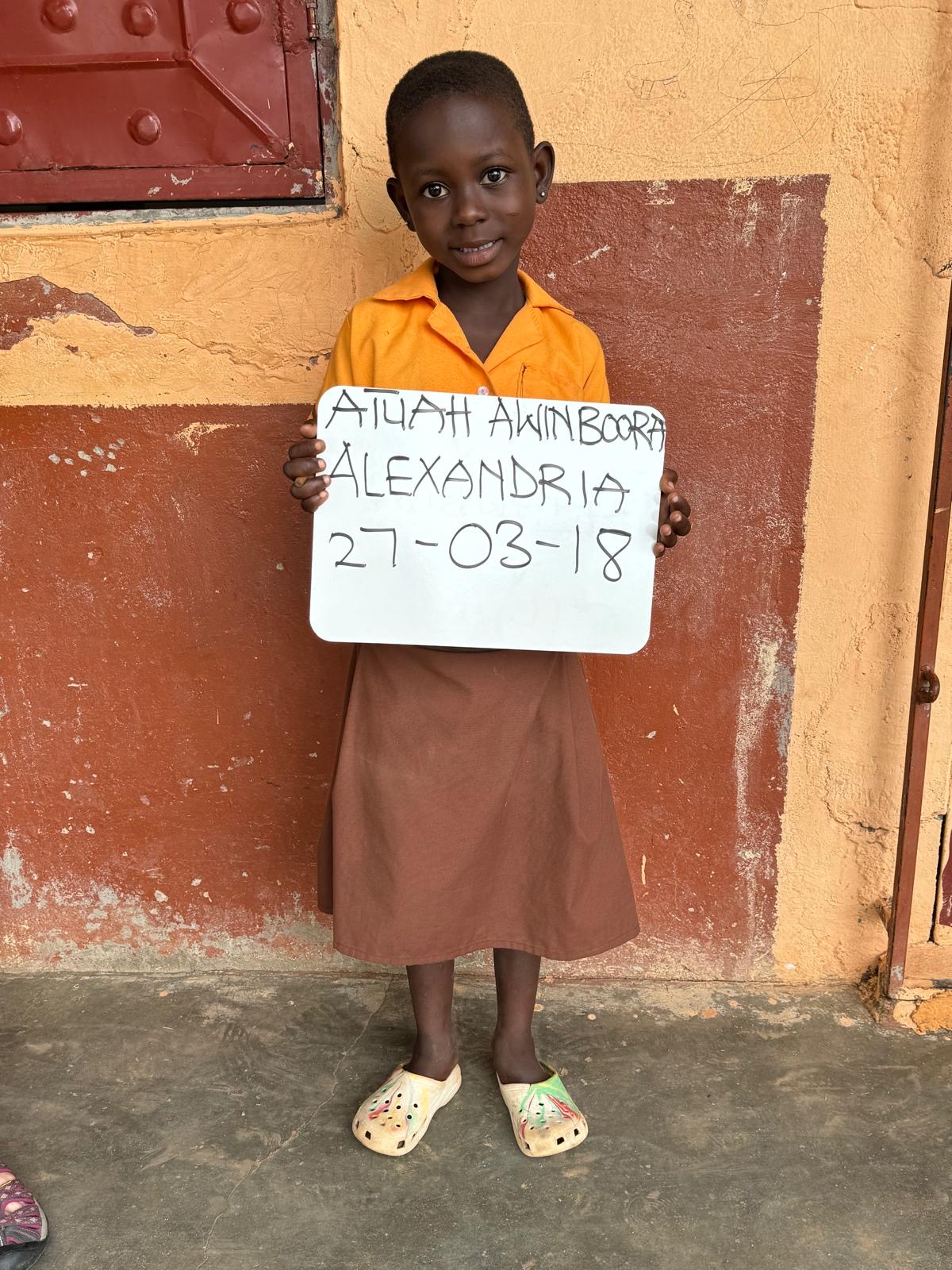
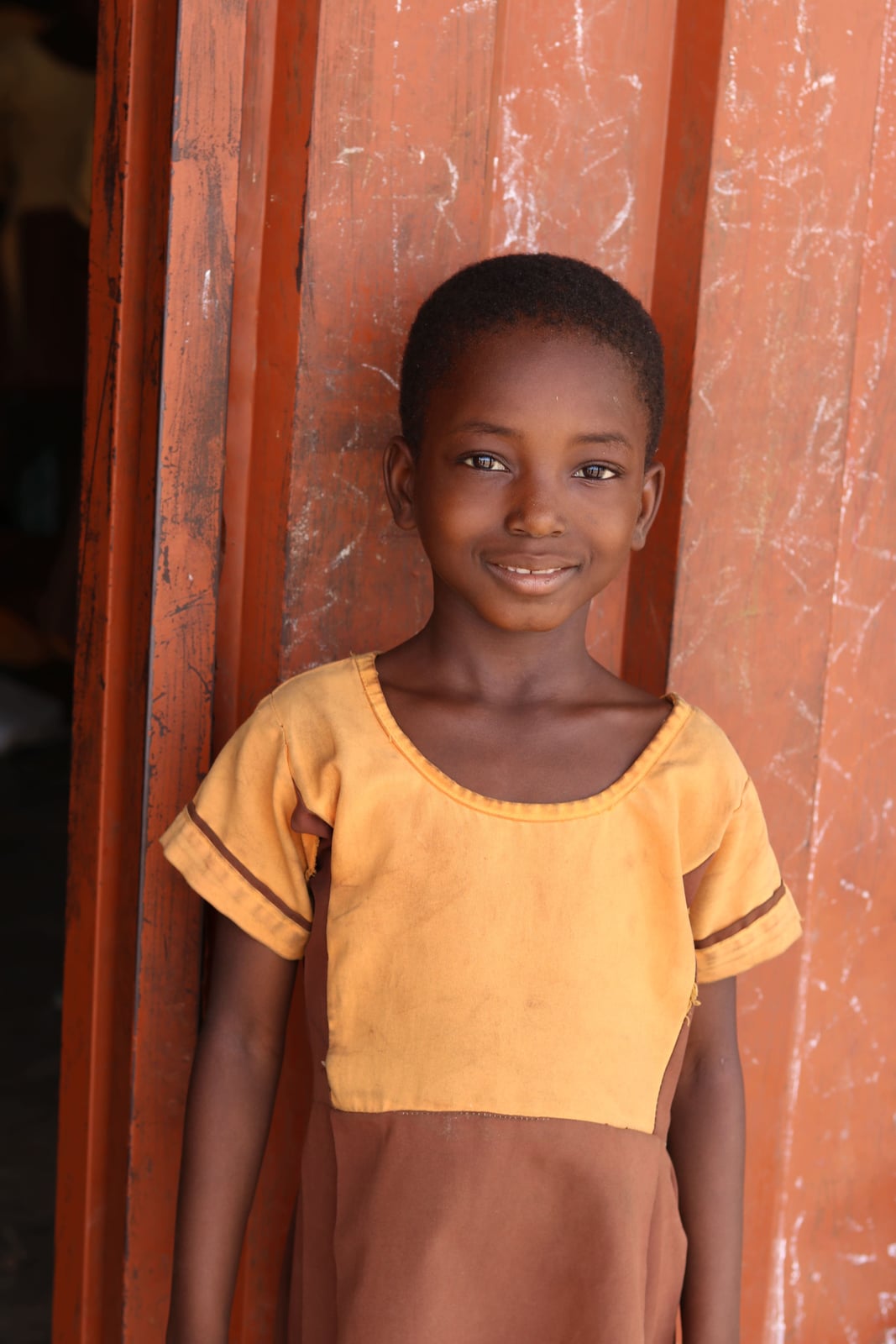
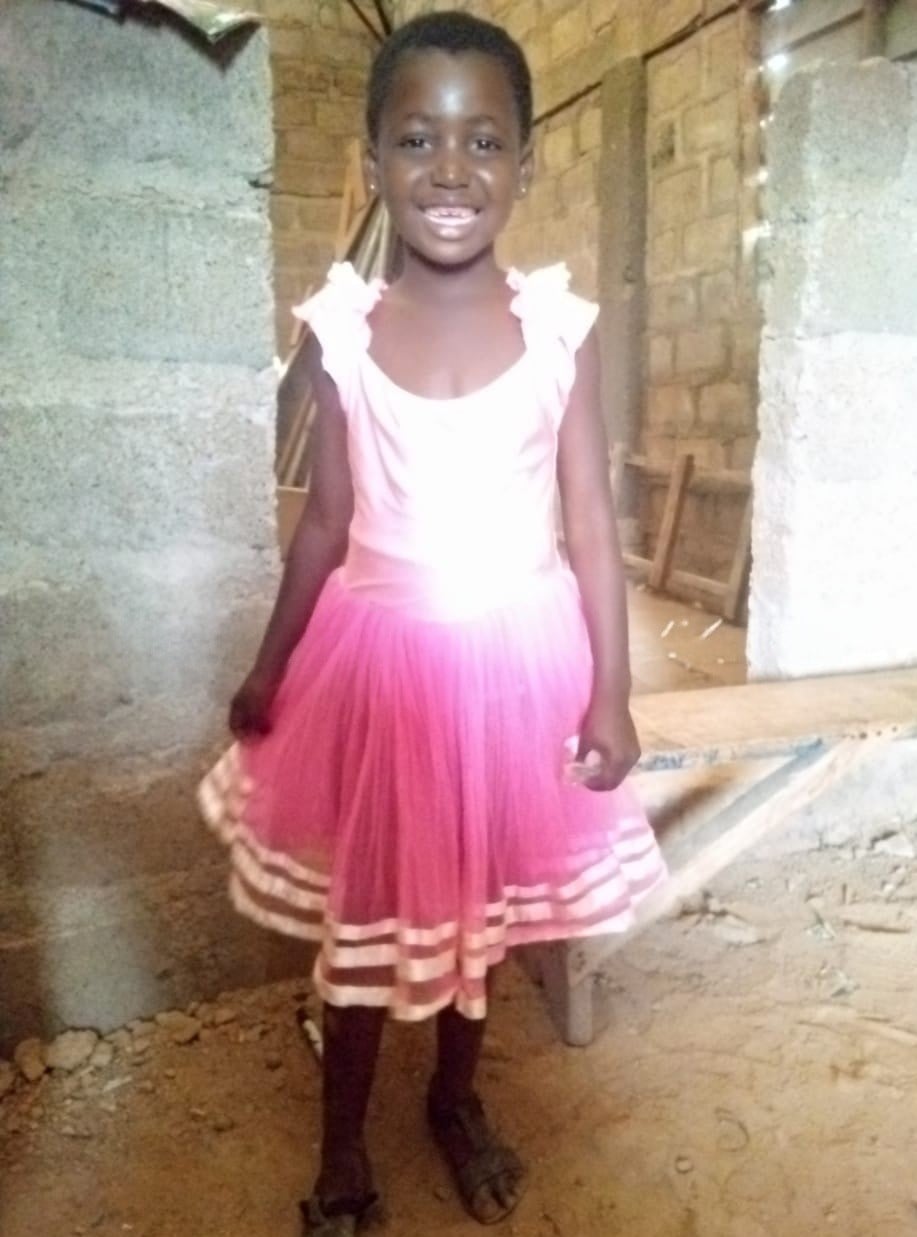
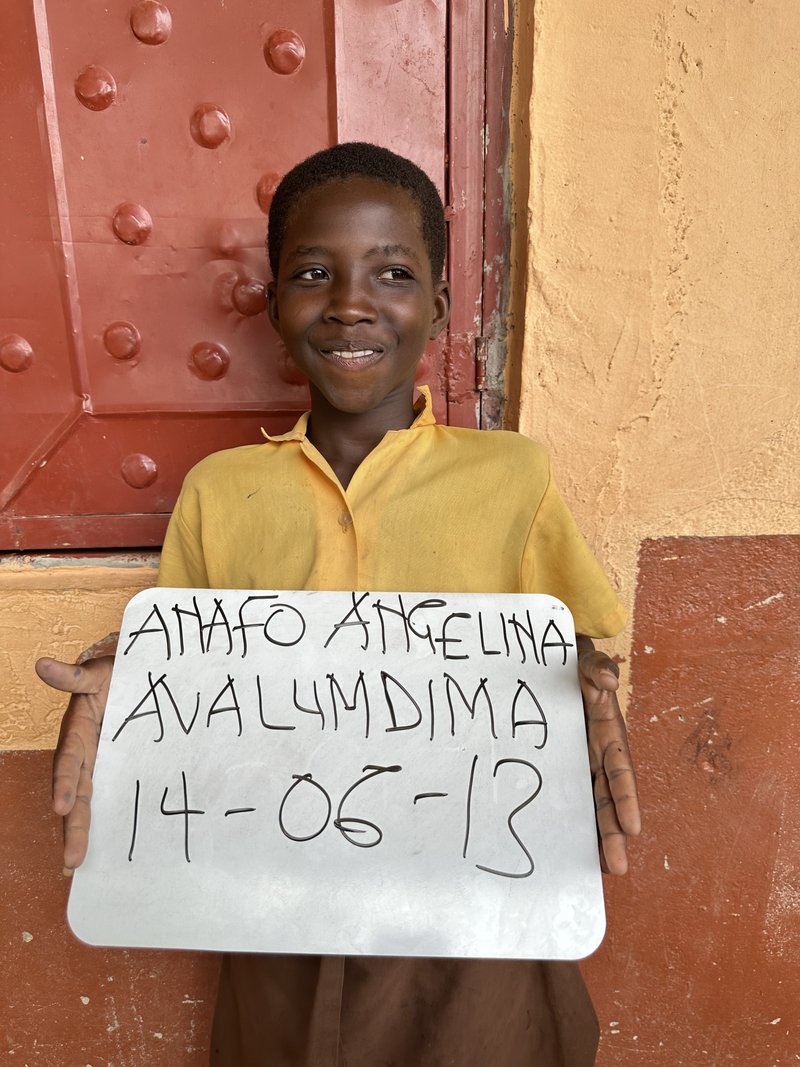
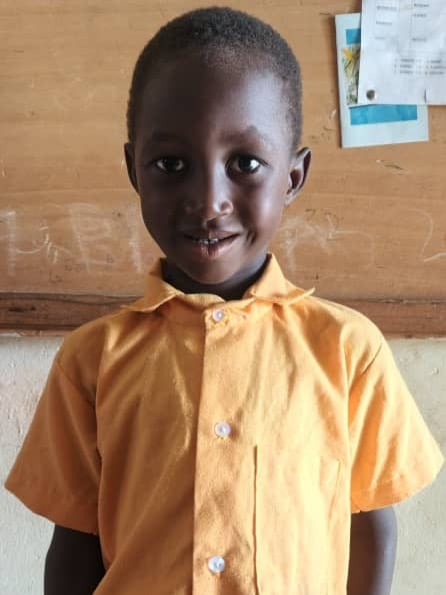
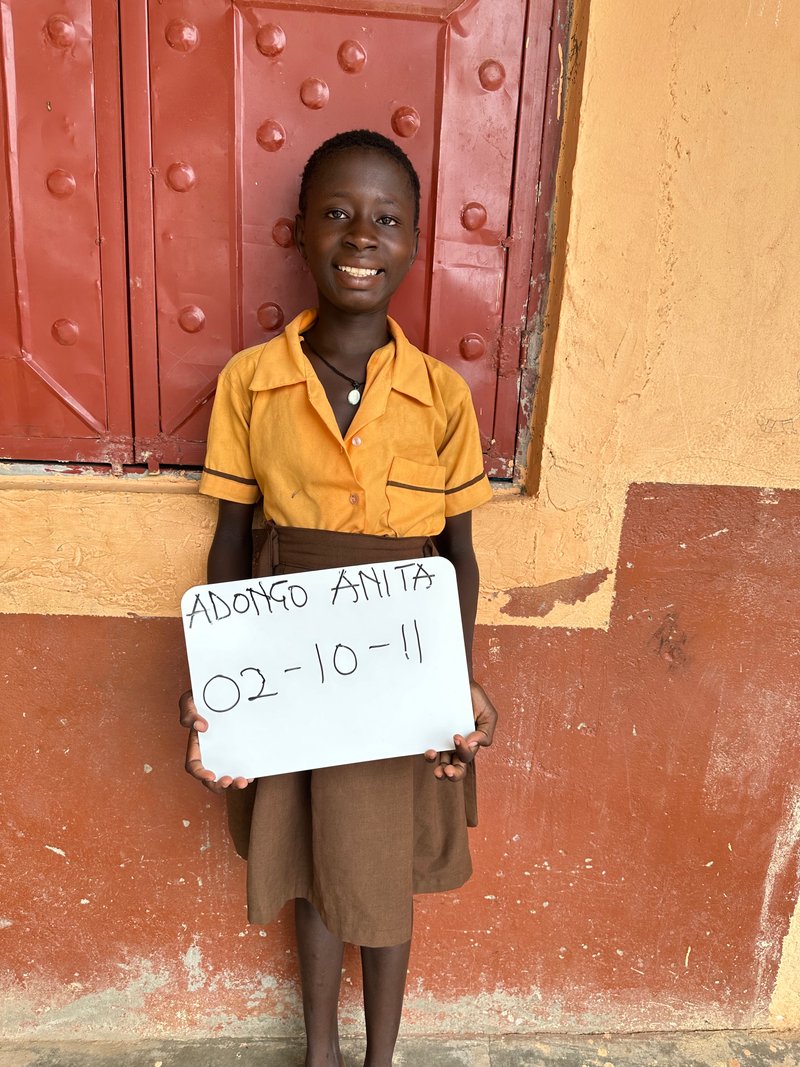
Meet the children of Vea
Each child attends school in Vea. $40 a month changes everything.
Ghana campaign
Ghana Well Fund 2026.
Clean water access for the families of Vea. Every well serves hundreds of people across multiple seasons of need.
Fund this project →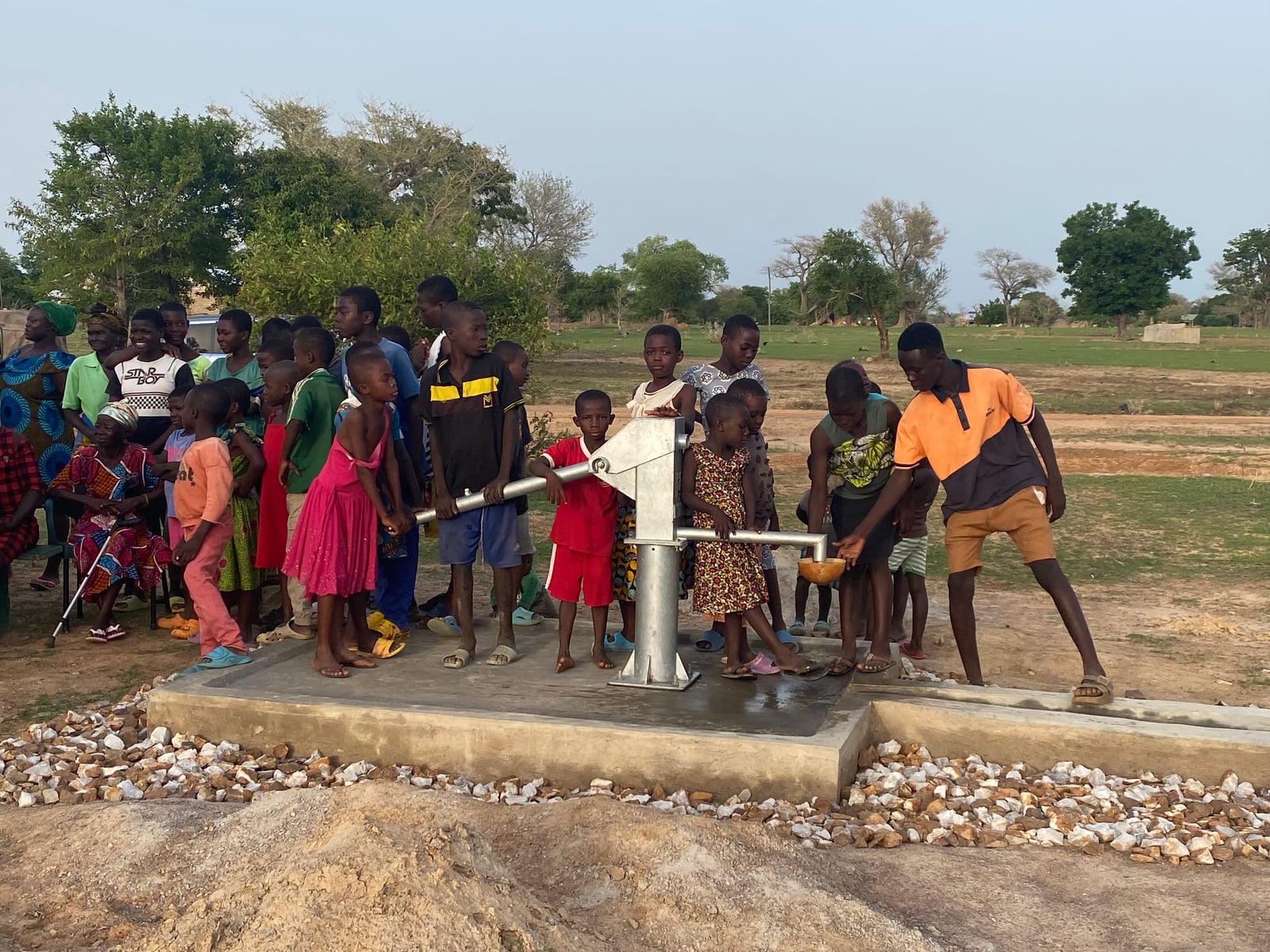
Another way to show up
Or give to Where It’s Most Needed.
Not ready to pick a child? You can support the program monthly or one-time, at any level. Every dollar tracked, every outcome real.
Give to Where It’s Most Needed →You don't change a statistic. You change a child's story.
$40 a month helps provide education, food, clean water, and medical support for a child in Vea — and invests in the community that surrounds them.
Choose a child to sponsorNot ready to pick a child? Give to Where It’s Most Needed — from $25/month →